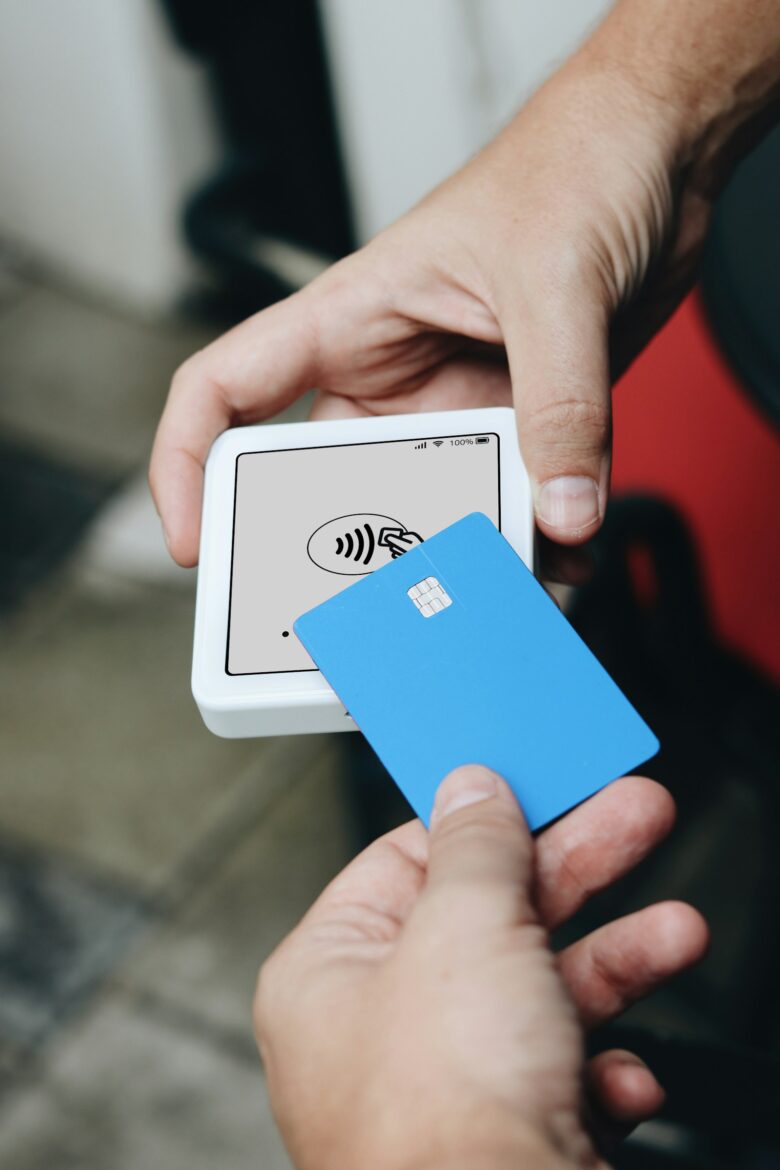
You check into your hotel, hand over your card, and a day later your bank app shows a charge that’s way bigger than your room rate. Or you drop off a rental car, fly home, and the deposit doesn’t show back up in your account for the better part of a week. Neither of those is a mistake. It’s a credit card hold, and if you don’t know how they work, they can mess with your budget at exactly the wrong moment — mid-trip, when you’re relying on that available credit.
Here’s what’s actually happening when a hotel or rental car counter puts a hold on your card, how long it tends to stick around, and the handful of things you can do so it doesn’t eat into money you were counting on.
What a credit card hold actually is
A hold, also called an authorization hold, is a merchant’s way of reserving part of your available credit before the final charge is known. Your card issuer sets aside that amount so you can’t spend it elsewhere, but it isn’t a real purchase yet. No interest accrues on it, and it won’t show up as a posted transaction on your statement. It just sits there, quietly reducing your available credit until the merchant either converts it into an actual charge or releases it.
That distinction matters because a hold and a charge look almost identical in your banking app, but they behave very differently. A charge is final. A hold is temporary and, for travel purchases especially, often larger than what you’ll actually end up owing.
Hotel holds: why they’re bigger than your room rate
Hotels place a hold to cover more than just the nightly rate. They’re protecting themselves against incidentals: room service, minibar charges, a damaged towel, an early checkout that skips a cleaning fee. So the hold you see at check-in is usually your estimated total plus a buffer for those extras, and that buffer varies a lot by property. A budget motel might add a modest flat amount. A resort might tack on a few hundred dollars for incidentals, especially if you’re staying multiple nights.
How long it lasts depends more on the hotel’s payment processor than anything you do. Card issuers generally describe merchant holds as lasting anywhere from a few days up to about a week in normal cases, though the exact window isn’t something your issuer controls once the hotel has authorized it. The FTC has noted that holds tied to car rentals and similar transactions can run up to 15 days when you end up paying the final bill with a different card or method than the one used for the hold — which is exactly why hotels will often ask you to settle up with the same card you checked in with.
The fastest way to get a hold released is boring but effective: pay your final folio with the same card, ask the front desk to confirm the hold is being released (not just that you’ve checked out), and if it’s still showing days later, call your card issuer with your receipt in hand.
Rental car holds: where debit cards get penalized
Rental counters tend to be more aggressive than hotels, and the gap between paying with credit versus debit is bigger than most people expect. With a credit card, the company typically holds at least the estimated rental cost, released once you return the car in the condition and timeframe you agreed to.
Debit cards are a different story. Because the rental company can’t be sure you have the funds to cover damage or an extended rental, many require a larger security deposit on top of the rental cost, a credit check, or proof of a return flight before they’ll hand over the keys. That extra deposit on a debit card can run into the hundreds of dollars, separate from what you’re actually renting the car for, and it comes straight out of your checking account rather than your available credit. If your checking balance is tight, that’s a real problem, not just an inconvenience.
This is one of the clearer cases where a credit card beats a debit card for travel, even if you don’t carry a balance and don’t care about rewards. The hold reduces your spending power temporarily; it doesn’t touch cash you might need for an emergency on the road.
How holds hit your available credit (and your utilization)
A hold isn’t a balance, so it won’t show up as a reported debt to the credit bureaus the way a posted charge eventually might. But while it’s active, it does reduce the available credit your card is showing, which can matter in two ways. First, obviously: if you’re close to your limit, a large hold can decline a purchase that should otherwise go through, even though you haven’t technically spent that money yet. Second, if your statement closes while a hold has already converted to a posted charge, that balance is what gets reported, and it factors into your utilization like any other spending.
The practical fix is simple: don’t use the card you’re relying on for day-to-day spending as the same card for a hotel or rental hold, if you can help it. A dedicated travel card with headroom absorbs the hold without squeezing the card you need for groceries or gas while you’re away.
A few habits that keep holds from catching you off guard
None of this requires anything complicated. Check in with a card that has real breathing room below its limit, not one you’re already carrying a balance on. Ask at the hotel desk or rental counter roughly what they’re holding and for how long — most front-line staff know their own system’s typical timeline even if corporate policy doesn’t publish it. Pay your final bill with the same card used at check-in whenever you have the choice. And if you’re renting a car on a debit card because that’s what you’ve got, call ahead; policies on deposits and credit checks vary enough between companies that it’s worth confirming before you’re standing at the counter with a flight to catch.
If a hold still hasn’t dropped off well past what you were told, that’s not something you have to just wait out. Contact the merchant first, since they’re the ones who can release it outright. If that goes nowhere, your card issuer can often see the same authorization and push on it from their end, particularly if you can show a receipt proving the car was returned or the stay was settled.
Frequently asked questions
Does a hold affect my credit score?
Not directly. A hold isn’t reported to the credit bureaus on its own. It only matters indirectly if it reduces your available credit enough to spike your utilization while a statement closes, or if it later converts into a posted balance you carry.
Can a hotel or rental company charge more than the amount they held?
Generally no — a hold is supposed to cap what they can take without a new authorization. But if actual charges (damage, extra days, incidentals) exceed the original hold, they can place an additional hold or charge for the difference, which is part of why estimates sometimes run high to begin with.
Why did my hold take longer to release than the hotel told me?
Holds are released by the merchant on their end, but your bank or card issuer still has to process that release on theirs, and the two systems don’t always move in sync. A few extra business days beyond what the front desk quoted is common and usually isn’t cause for alarm, though it’s fair to call your issuer if it drags on much longer.
Is it better to use a credit card or debit card for travel holds?
For holds specifically, a credit card is almost always the safer choice. The hold reduces available credit you can get back once released, rather than tying up actual cash sitting in your checking account, and you avoid the larger deposits and credit checks debit cards can trigger at rental counters.
Can I dispute a hold the way I’d dispute a charge?
Not in the same way, since a hold isn’t a finalized transaction yet. If a hold converts into a charge you believe is wrong, that’s when your card’s dispute process and protections actually apply.
Hold amounts, timeframes, and debit card requirements vary by merchant, card issuer, and even by location, so treat the ranges above as general guidance rather than a guarantee for your specific trip. When it matters — a big rental deposit or a hold that’s dragging on — confirm the details directly with the hotel, rental company, or your card issuer before you rely on them.