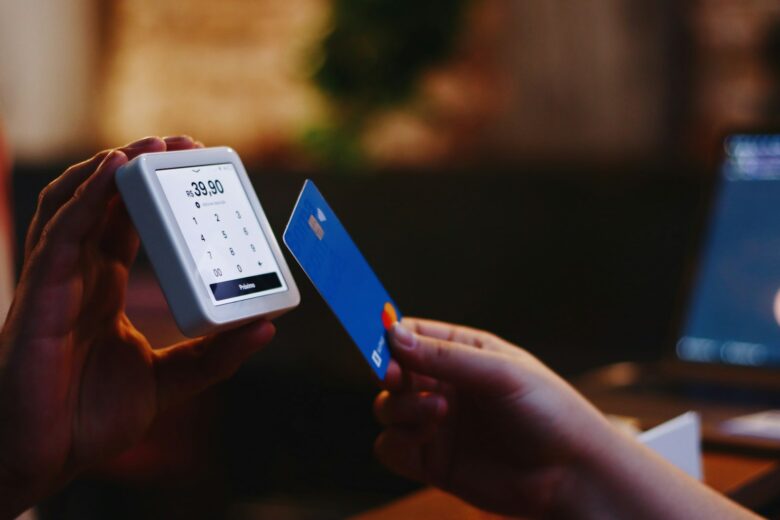
For years, “buy now, pay later” felt like a cheat code. Split a $200 purchase into four payments, no interest, no credit check that actually mattered, and nothing on your credit report either way. That last part is changing, and a lot of people who lean on Klarna, Affirm, Afterpay, or similar apps don’t realize it yet.
Here’s the short version: BNPL loans are starting to show up on credit reports, FICO has built new scoring models specifically to read them, and the old assumption that these loans are “invisible” is no longer reliably true. Whether that’s good or bad for you depends almost entirely on how you use them.
What actually changed
Up until recently, most pay-in-four BNPL loans lived outside the traditional credit system. You’d get approved in seconds with a soft credit check (if any), make your payments through the app, and none of it touched your credit file. Lenders couldn’t see it, and your score didn’t move because of it.
That started to shift when some of the larger BNPL providers began sending payment data to the major credit bureaus. Affirm is the clearest example — it reports pay-over-time loan activity, including short-term installment plans, to credit bureaus. Other providers have been slower to follow, and a few have openly said they’re holding off because they’re worried it could hurt, not help, their users’ scores.
On top of that, FICO released scoring models built specifically to interpret BNPL data. The reasoning is pretty sensible once you think about it: a traditional scoring model sees someone open five short-term loans in a month and assumes financial distress. But if those are just five Afterpay purchases for back-to-school shopping, that’s a totally different risk picture. The newer models try to tell the difference between “borrowing because things are falling apart” and “splitting a purchase into four payments because that’s just how the checkout button works now.”
Is BNPL actually hurting people’s scores right now?
Mostly, no — at least not the way people fear. Research done in partnership between FICO and a major BNPL lender looked at a large sample of users and found that for the vast majority, opening a BNPL loan moved their score only slightly, in line with what you’d expect from any new account. It wasn’t the score-killer some people assumed.
Where it gets risky is the same place every form of credit gets risky: missed payments. A meaningful share of BNPL users report missing at least one payment at some point, and once that activity is visible to a bureau, a late BNPL payment can ding your score the same way a late credit card payment would. The convenience of split payments doesn’t make them less real — it’s still a loan with due dates, it’s just dressed up as a checkout option.
There’s also a quieter risk that doesn’t show up as a single bad event: juggling several BNPL plans across different apps at once. Each individual plan feels small, but four $150 purchases on four different payment schedules adds up to real monthly obligations that are easy to lose track of, especially since they’re spread across separate apps instead of one statement.
Why issuers and lenders care about this at all
From a lender’s perspective, invisible debt is dangerous. If you’re carrying several BNPL balances that don’t show up anywhere, a bank evaluating you for a mortgage, auto loan, or new credit card is working with an incomplete picture of what you actually owe. That’s part of why the push toward reporting BNPL data has industry backing, not just regulatory pressure — lenders want to see the full debt picture before extending more credit.
It cuts the other way too. Responsible, on-time BNPL use could eventually help some people build a thin credit file, similar to how a secured card or credit-builder loan can give someone with no credit history something positive to point to. That upside only materializes if the loan is actually reported and you pay it on time — right now that combination isn’t guaranteed with every provider.
What to actually do about it
You don’t need to panic or swear off BNPL entirely. A few practical habits go a long way:
Treat it like a bill, not a shopping trick. The four payments are still four fixed obligations with due dates. Put them on a calendar or set autopay if the app allows it, the same way you’d handle a phone bill.
Don’t stack plans you can’t track. One or two BNPL purchases at a time is manageable. Five across three different apps, each with its own due date, is how people end up with a missed payment they didn’t even see coming.
Check your credit reports periodically. You’re entitled to free reports from the major bureaus, and it’s worth a look to see whether your BNPL activity is showing up. If it is, treat those loans with the same seriousness as a credit card balance.
Know that the rules vary by provider. Some BNPL companies report to bureaus, some don’t, and that can change. There isn’t one universal answer to “does BNPL affect my credit” — it depends on which app you used and what that company’s current reporting practice is.
Don’t assume regulatory protections match a credit card’s. Oversight of BNPL has shifted back and forth at the federal level, and the dispute and refund protections you get automatically with a credit card aren’t guaranteed to apply the same way to a BNPL purchase. Read the provider’s own terms before assuming you have a chargeback-style safety net.
The bottom line
BNPL isn’t secretly dangerous, and it isn’t a free pass either — it’s just becoming a normal part of the credit system, with the normal consequences that come with that. If you’ve always paid on time and used it occasionally, the shift toward credit reporting probably won’t change much for you. If you’ve been stacking plans across apps and treating due dates as optional, this is a good moment to tighten that up before it shows up somewhere you didn’t expect.
Frequently asked questions
Does using Afterpay or Klarna hurt my credit score?
Not automatically. Whether it affects your score at all depends on whether that specific provider reports your payment activity to the credit bureaus, which varies by company and has been changing. Making payments on time generally keeps any impact minimal; missing payments is where the risk shows up.
Will applying for a BNPL loan show up as a hard inquiry?
Many BNPL providers use a soft credit check for approval, which doesn’t affect your score, though this isn’t universal across every provider or every purchase size. If you’re not sure, check the provider’s own disclosures before checking out.
Can BNPL loans help me build credit?
Potentially, if the provider reports your on-time payments to a credit bureau and the loan is factored into your score. It’s not yet a reliable credit-building tool the way a secured card or credit-builder loan is, since reporting practices still vary across the industry.
How many BNPL loans is too many to have at once?
There’s no official cutoff, but a good gut check is whether you could list every open plan, its payment amount, and its due date from memory. If you can’t, you likely have more open at once than you can comfortably track.
Do missed BNPL payments go to collections?
They can. Like any other credit product, a seriously delinquent BNPL balance can eventually be sent to a collections agency, which is a much bigger hit to your credit than the original missed payment alone. Providers’ specific late-fee and collections policies vary, so it’s worth reading the terms before you commit to a plan.
Credit reporting practices for buy now, pay later providers are still evolving, and policies vary by company and can change without much notice. The general guidance here reflects the landscape at the time of writing — for the most current and accurate picture of how a specific BNPL loan will affect your credit, check that provider’s own terms or ask your credit card issuer or a financial advisor directly.